
One Weekend a Month – A Lifetime of Impact
- Fostering Stories
- Tags: Short Breaks Carers
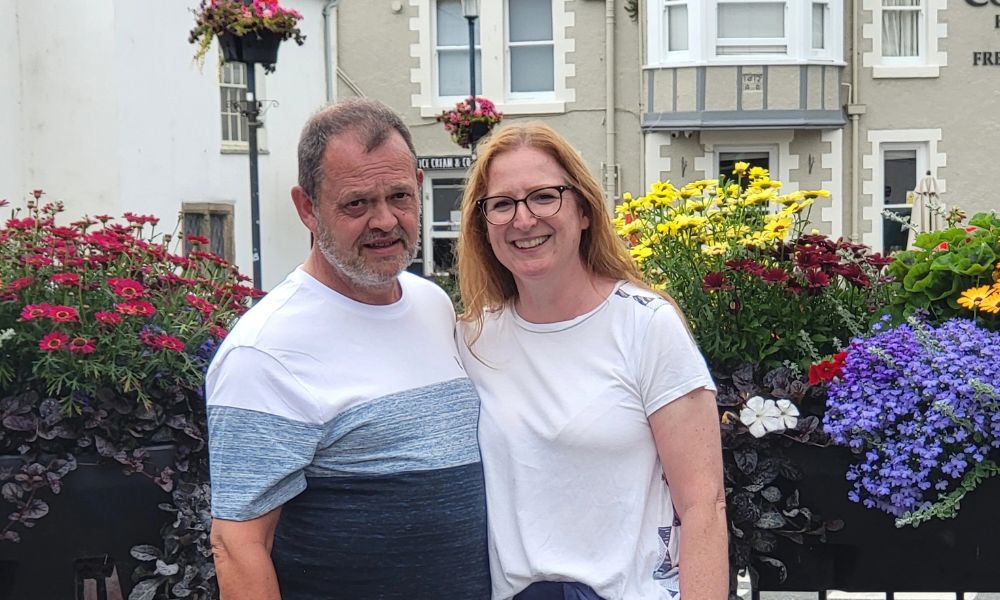
Sue and Paul’s journey into short breaks fostering
When Paul came across an article about short breaks fostering for children with disabilities on the Council intranet, he mentioned it to his wife Sue — a simple conversation that would go on to change both of their lives.
“We didn’t even know it was a thing,” Sue admits. “We only knew about adoption and full-time fostering — nothing in between.”
Just a few months later, the couple were approved as short breaks foster carers to provide regular weekend care to a child with disabilities.
“We know what it’s like to need support”
As parents to three boys, all of whom are neurodivergent, Sue and Paul’s own experiences shaped their decision to foster.
“When our boys were younger, we went through hell and back trying to get their needs met,” Sue says. “We didn’t always understand what was behind the behaviour, and neither did school.”
“Our boys are doing brilliantly now — but we remember how hard it was. We want to give another family the support we could have really used back then.”
Find Out More
If you’ve ever thought about fostering, short breaks care could be a flexible way to make a difference.
0151 515 0000More than just a break
For Sue and Paul, short breaks fostering is about more than childcare — it’s about giving families vital support and creating positive experiences for children.
“We miss doing things with little ones — going out, exploring, encouraging interests,” they say. “Our boys are older now and enjoy their independence.”
“We want to give children time, patience and opportunities families might struggle to offer day to day.”
“It’s a bit like being the fun auntie and uncle — or grandparents — making memories together.”
Finding the right fit
With three teenagers at home, Sue and Paul chose a fostering arrangement that works for their family. They support children aged four to ten, which complements their household dynamic.
“Our boys are 14, 16 and 18 — another teenager wouldn’t work,” they explain. “But they’re incredibly empathetic, especially towards children with additional needs.”
“They’ve been so supportive — they hate the thought of a child feeling left out or struggling.”
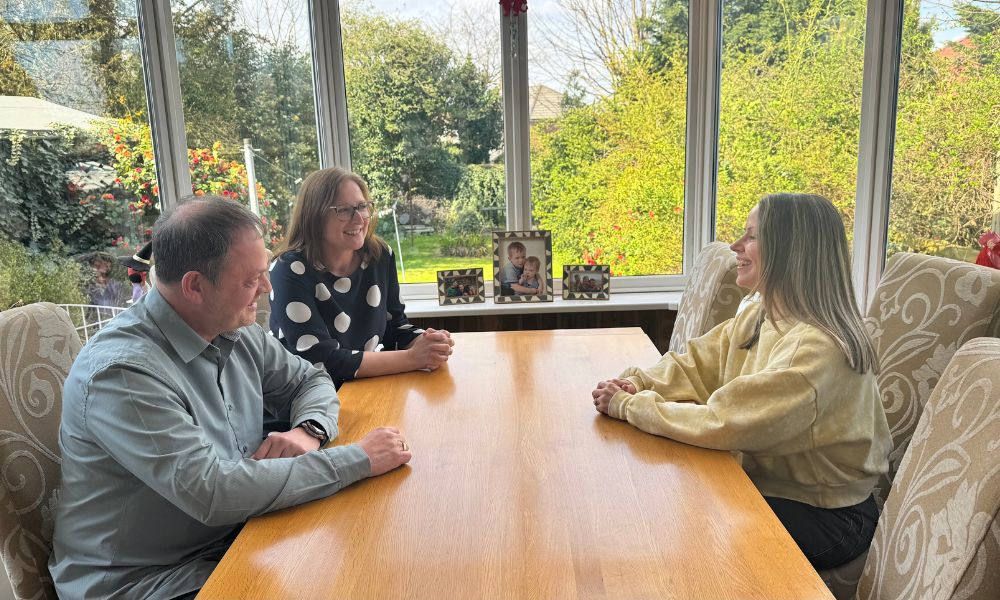
“The assessment was thorough, but also really supportive.”
Like all newly approved carers, Sue and Paul went through the standard fostering assessment.
They were honest about how thorough it was, but their assessing social worker made all the difference.
“Chris never made us feel judged. She was warm, funny and built such a good rapport with us. The whole process moved quickly — much quicker than we expected.”
After being approved at fostering panel, Sue and Paul were told: “We wish we could clone you.” “It was emotional hearing that,” Sue admits. “You don’t often stop and reflect on everything you’ve been through as a family.”
Making a difference with the skills you already have
Sue and Paul believe their lived experience has given them the skills to make a real difference.
They understand neurodiversity, have navigated support systems, and bring patience, empathy and advocacy into their fostering.
“We’ve developed a toolkit through our own experiences,” Paul says. “It helps us support children in a really practical, everyday way.”
Could you do the same?
There is an ongoing need for short breaks foster carers in Liverpool, with many children waiting for the right support.
“It’s one weekend a month,” Sue and Paul say. “But it could change everything for a family.”
They are also clear about one important point:
“There’s no pressure to take a child who isn’t the right fit. Matching is everything — it has to work for everyone involved.”
Categories
Tags
- Part time (Respite) Carers
- Types Of Fostering
- Short Breaks Carers
- Fostering teenagers
- A young persons story
- LGBTQ Fostering
- Fostering and ethnicity
- Care Day
- Fostering babies
- Fostering siblings
- Fostering community
- Single foster carer
- Sons and daughters
- Disabled foster carer
- Training
- Fostering and pets
- Fostering at Christmas
- Unaccompanied asylum seeking children
- Father's Day
- A young persons' story
- Muslim fostering